My AI-Free Nonfiction Workflow


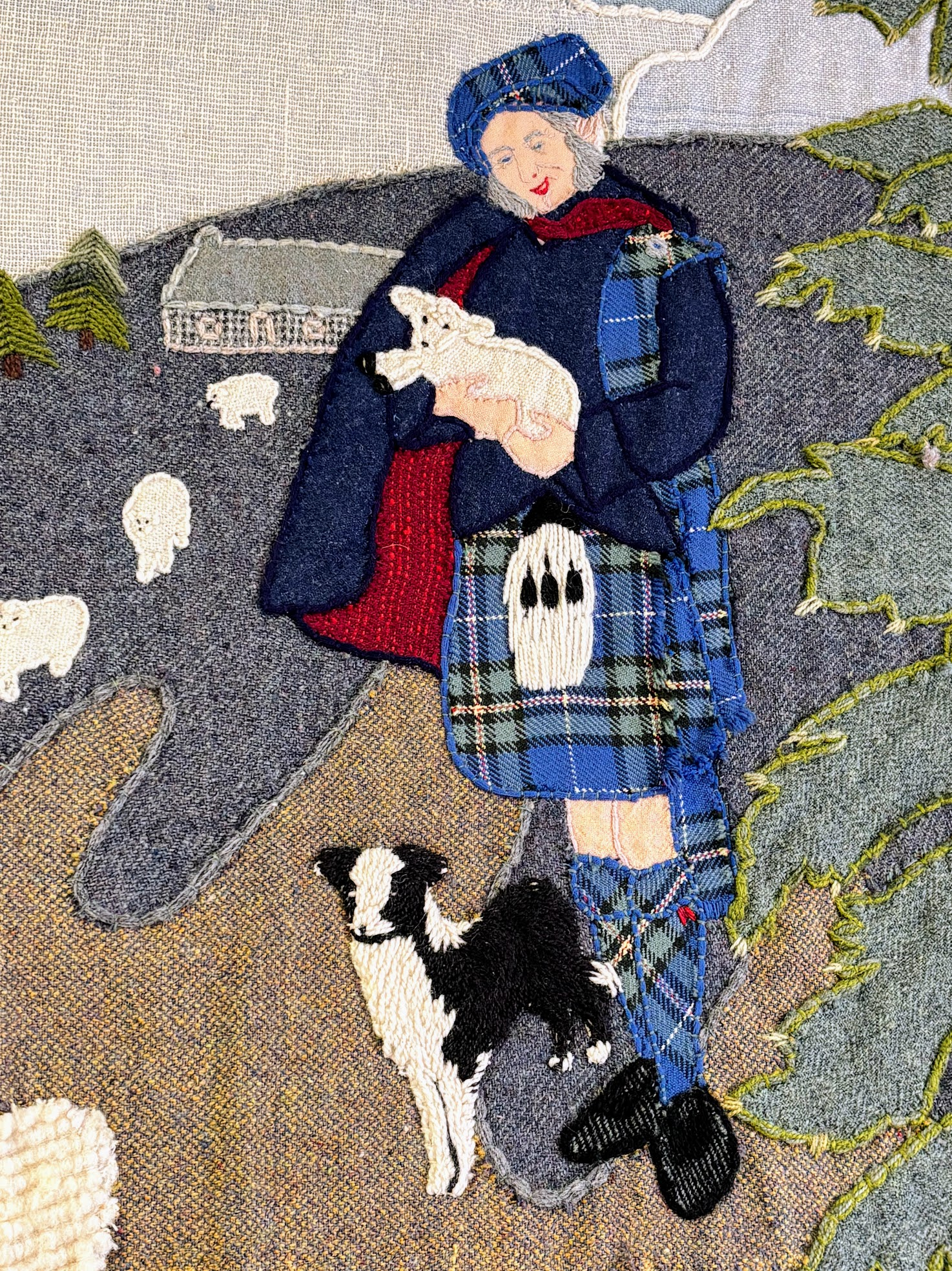
This morning I sent off a new proposal to a publisher for my book about the Nova Scotia Tartan, which my grandmother designed. I'd been asked to revisit it as a short history gift book, and I'm pleased to say that I enjoyed working in this new format, and I'm optimistic about its chances of finding publication, in one form or another.
This submission was the first one I've made with specific attention to how AI could impact both my process and the publisher's. I don't use AI in my writing work, and we're explicitly not allowed to in my Creative Nonfiction MFA programme at the University of King's College.
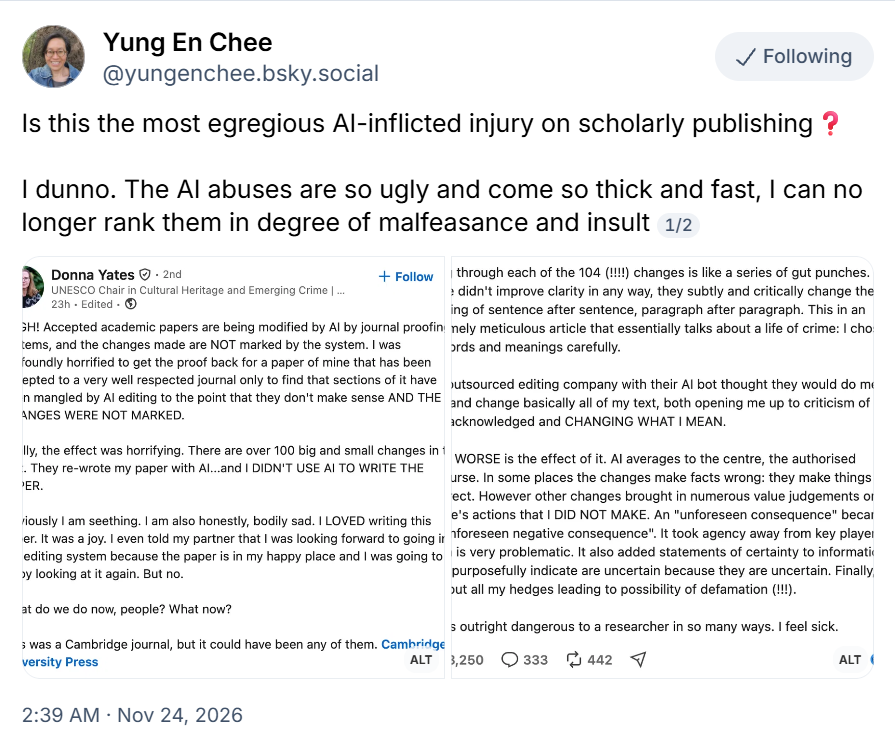
Yesterday, the programme sent us a nine-page document from our cohort director, Kim Pittaway, advising us on how to "prove" we did not use AI, and prompting us to ask better questions about whether and how the people we work with are using it. I've read harrowing accounts of writers' work being transformed by AI without their consent, after submitting it to a publisher. So as much as I didn't feel like reading a nine page document about my least favourite subject, I received it with resigned, grim gratitude.
I sent the editor I'm in contact with a quick, polite email inquiring about their AI practices, and was reassured to hear back just as quickly that they don't allow it in the books they publish, and that everyone they work with is made well aware of their stance.
I added a section to my proposal about my workflow, which I'll share with you now:
Tools and Workflow
I do not use AI (LLMs). I further do not consent to AI use on my manuscript or proposal, including using AI to review, summarize, edit, or otherwise interact with my writing. When a tool I’m already using adds AI, I make every effort to replace it with an AI-free alternative. My core workflow is:
- Write notes for my plans and ideas, longhand in a notebook every morning at breakfast
- Draft in Scrivener, which explicitly does not include AI
- Manage sources in Zotero without any plugins and therefore no AI
- Research in physical archives, physical books, ebooks, and the Internet Archive
- For historical timelines and project organization outside Scrivener, I use posterboard and cue cards taped to my office walls
- I use DuckDuckGo for search, with the AI feature disabled
- I export to LibreOffice, a free and open-source alternative to Microsoft Office, that is explicitly free of AI
- I copyedit by reading my own work aloud to myself.
- I sometimes also use Obsidian to keep digital notes, but do not use any AI plugins
- I uninstall Copilot every time I update Windows
- My email and cloud storage have no connected AI tools
- I have no subscriptions to any AI tools and do not use it in my private life
Despite the lengths I go to, to keep my work 100% mine, there's no guarantee no one will try to claim I used AI to write it. I have strong feelings about this that I shared on Bluesky yesterday.
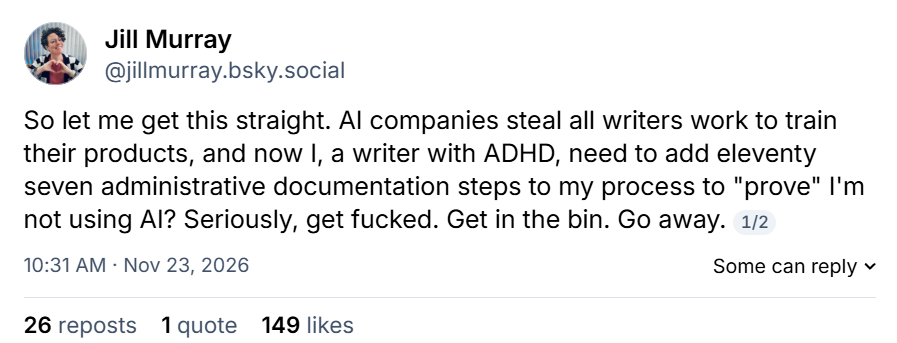
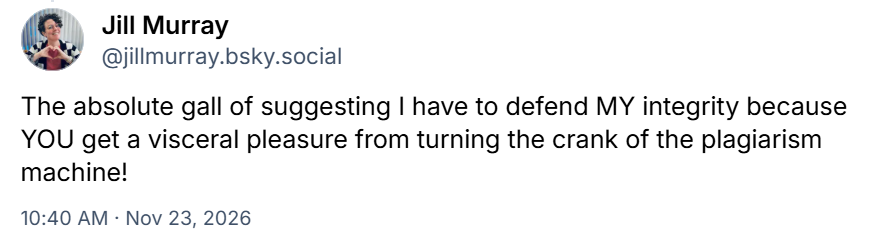
How about you? What do you think of all this? Has your work been upended not just by AI, but by the administrative burden that dealing with the reality of AI adds to your workload?
Drop me a line and let me know.
Tartan Tuesday
Every Tuesday I share what I think is the most interesting tartan registered this week. (Usually there are at least 5-10 to choose from!)
This week, the honour goes to the official new tartan of Uruguay, "a collaboration between the Embassy of Uruguay to the United Kingdom and the Uruguayan community in Scotland to celebrate the bond between both countries."
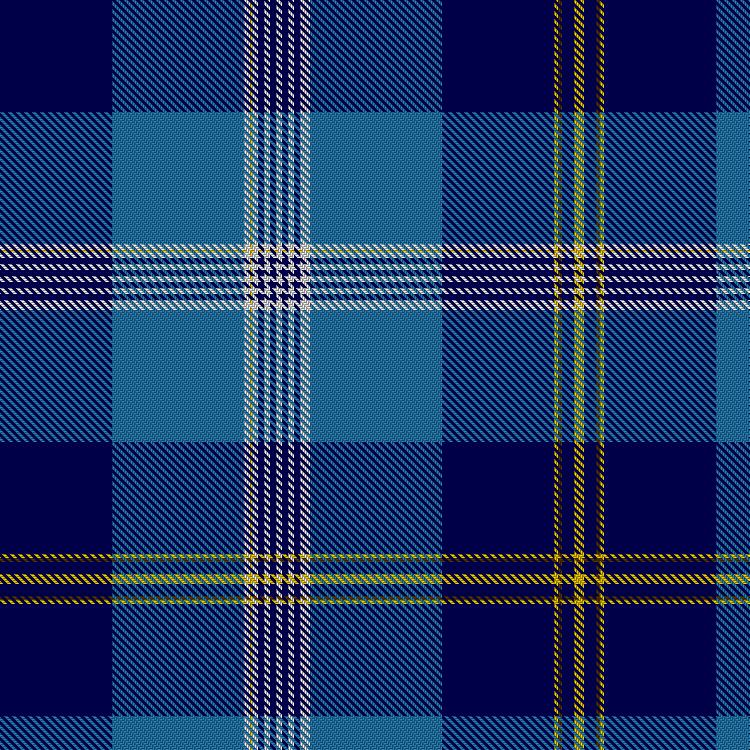
This one's a good reminder that while tartans today are often promoted as "for everyone," most of the time they're really for everyone who feels some kind of connection to a country in the UK.
Coming Soon
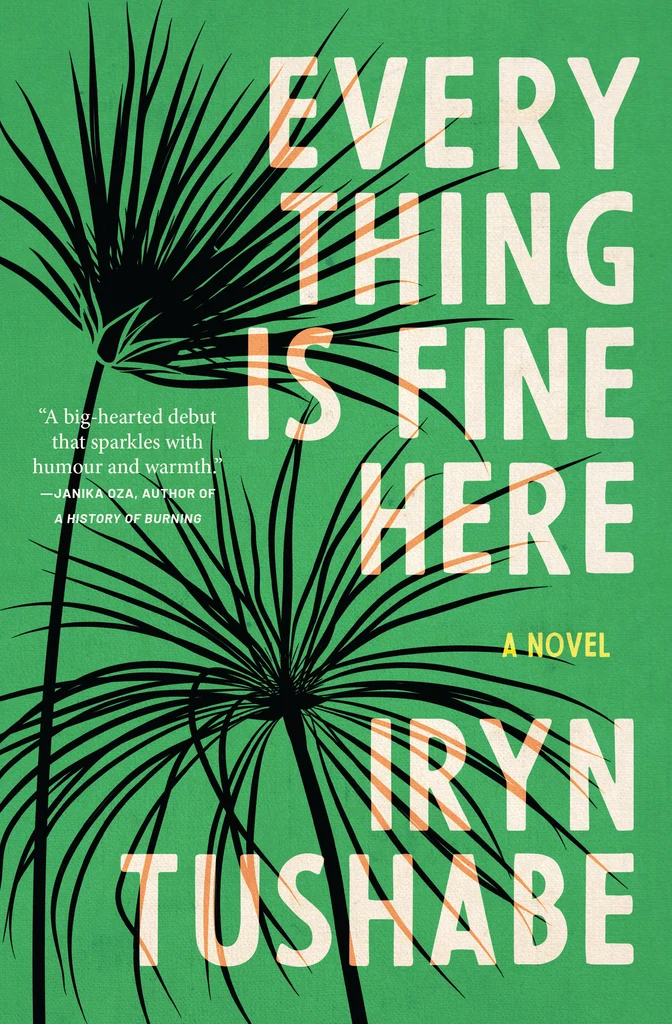
You're in for a treat next week, when I'll have a luscious interview with 100% human Everything is Fine Here author Iryn Tushabe about everything from being longlisted on Canada reads, to alternate "texts" in nonfiction research, to how naked it can feel to write a memoir, to how she likes her ramen, to death.
That's it for today. Thanks for reading!
Cheers, and keep on humaning, my fellow messy humans.
- Jill